Activities
~ 17 October 2022 ~
All the data collected in this project have been made available to the scientific community. This is a set of physiological and behavioural data collected in 6 fixed-base driving simulator experiments from 346 drivers. All experiments simulated conditional automation (Level 3 of automation according to the taxonomy released by the Society of Automotive Engineers), except for experiment 1 (Level 0 – manual driving).
It can be downloaded on the Zenodo repository here. Please cite us if you use these data.
~ 9 and 10 September 2021 ~
This workshop was part of the AutoUI’26
Workshop for designing biofeedback of driver’s state and emotion in automated vehicles
Abstract:
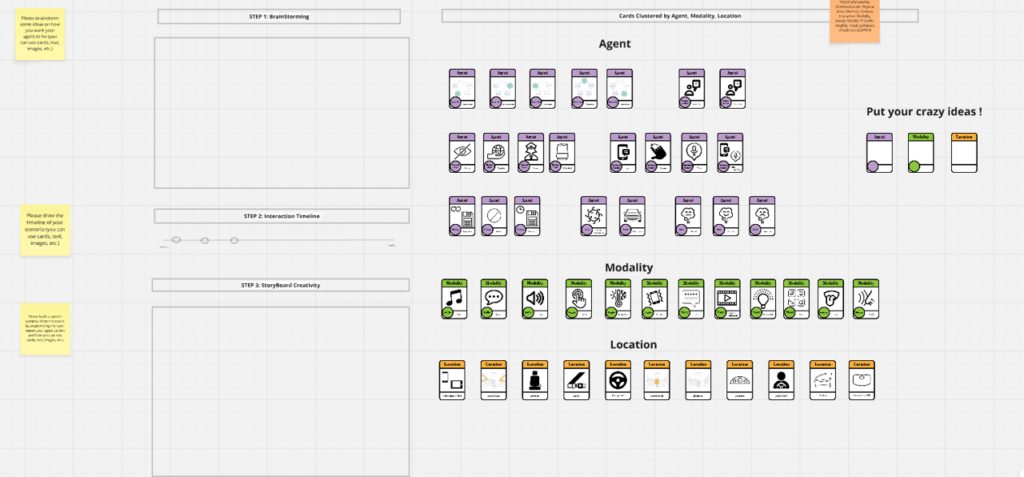
Different drivers’ states and emotions can affect negatively the driving performance. Recent advances in affective computing now give the opportunity to measure the users’ state or emotions using various sources of data such as physiological signals or voice samples. Conveying biofeedback in the car could help to make roads safer and improve users’ health and mental state during a ride in an autonomous car. This workshop aims at selecting the drivers’ hazardous states and emotions that are crucial to be assessed, as well as how to convey the appropriate biofeedback to the driver, using multimodal interaction in the car.
~ 7 May 2021 ~
Empathic Interactions in Automated Vehicles #EmpathicCHI
This workshop was part of the CHI Conference 2021.
Abstract:
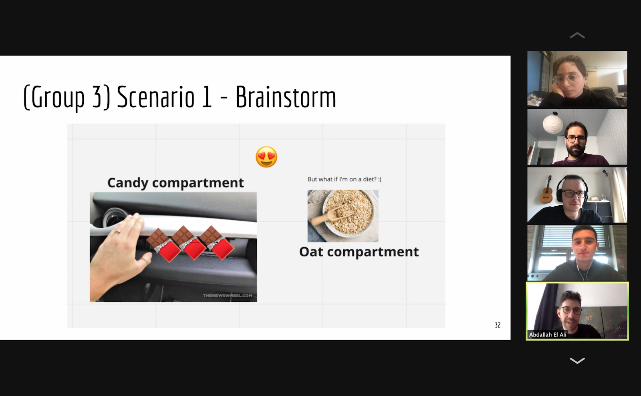
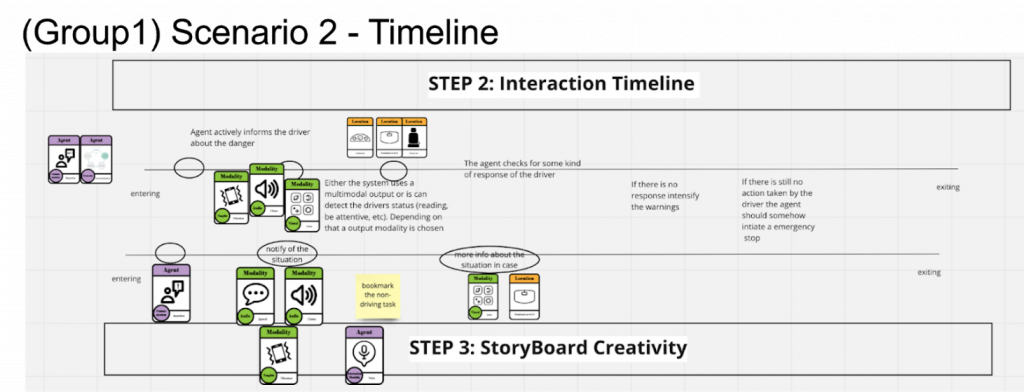
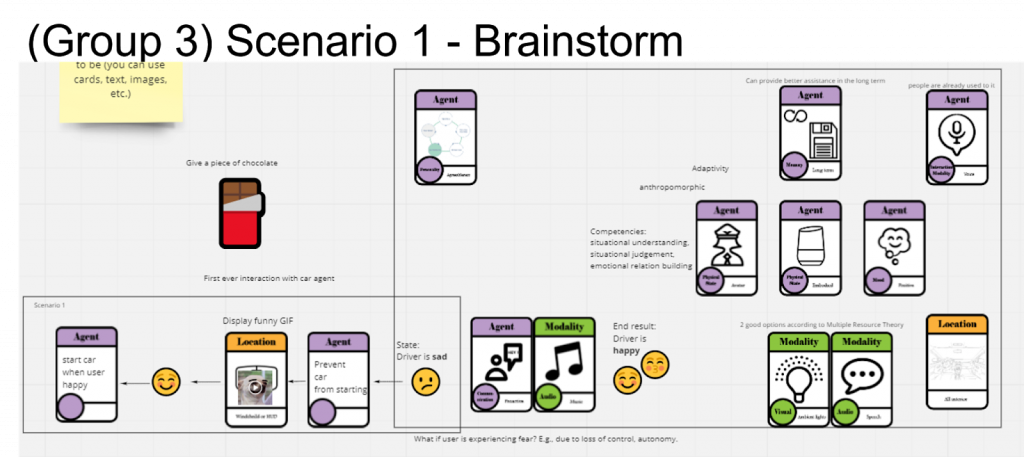
Automation in driving will change the role of the drivers from actor to passive supervisor. Although the vehicle will be responsible for driving manoeuvres, drivers will need to rely on automation and understand its decisions to establish a trusting relationship between them and the vehicle. Progress has been made in conversational agents and affective machines recently. Moreover, it seems to be promising in this establishment of trust between humans and machines. We believe it is essential to investigate the use of emotional conversational agents in the automotive context to build a solid relationship between the driver and the vehicle. In this workshop, we aim at gathering researchers and industry practitioners from different fields of HCI, ML/AI, NLU and psychology to brainstorm about affective machines, empathy and conversational agent with a particular focus on human-vehicle interaction. Questions like ”What would be the specificities of a multimodal and empathic agent in a car?”, ”How the agent could make the driver aware of the situation?” and ”How to measure the trust between the user and the autonomous vehicle?” will be addressed in this workshop.
~ 22 Sept. 2019 ~
Workshop on Explainable AI in Automated Driving: a User-Centered Interaction Approach
This workshop was part of the Automotive UI conference 2019 (Utrecht, Netherlands).

Abstract:
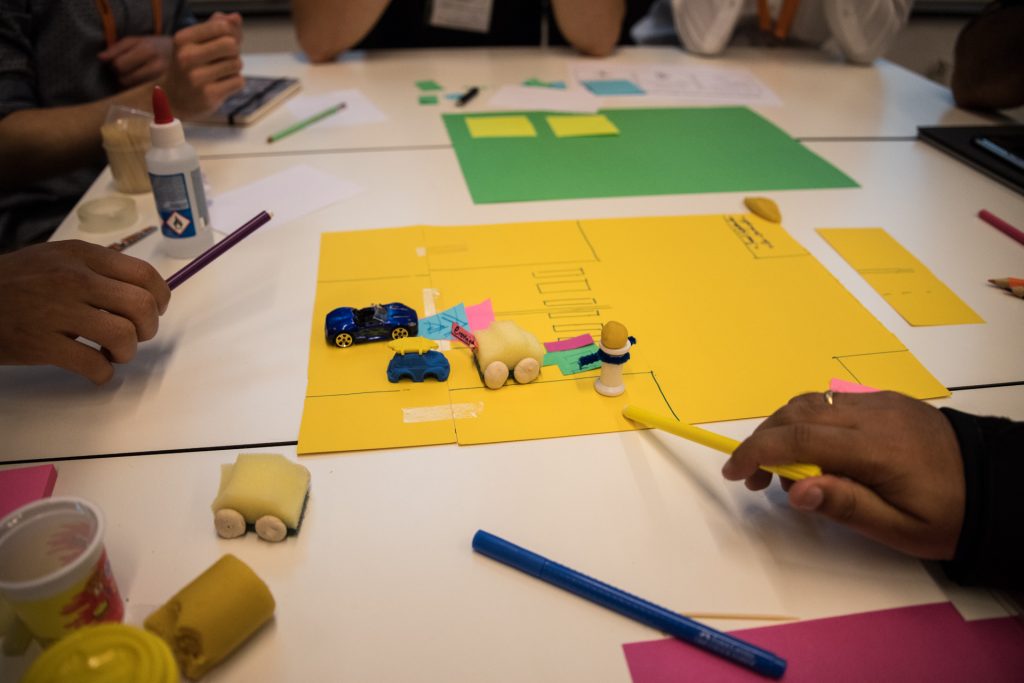
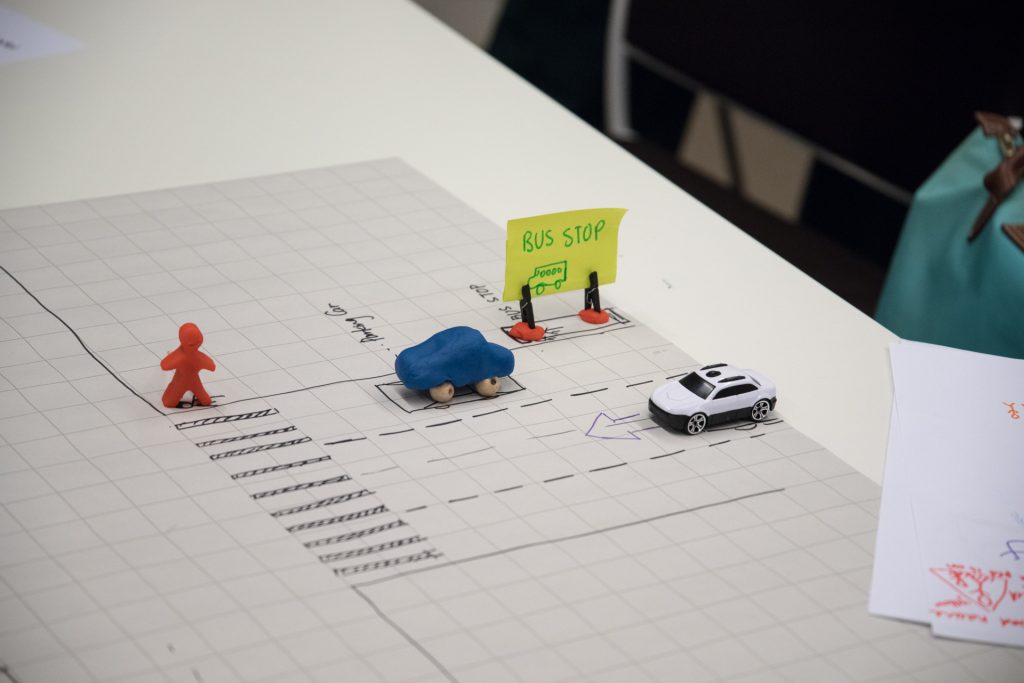
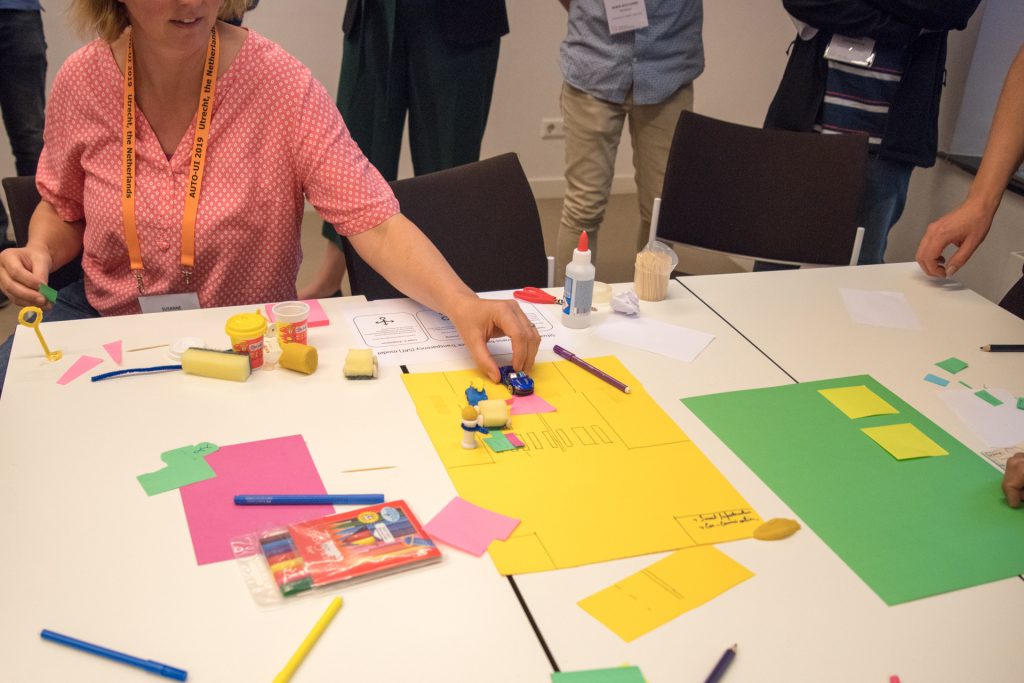
With the increasing use of automation, users tend to delegate more tasks to the machines. Such complex systems are usually developed with “black box” Artificial Intelligence (AI), which makes these systems difficult to understand for the user. This assumption is particularly true in the field of automated driving since the level of automation is constantly increasing via the use of state-of-the-art AI solutions. We believe it is important to investigate the field of Explainable AI (XAI) in the context of automated driving since interpretability and transparency are key factors for increasing trust and security. In this workshop, we aim at gathering researchers and industry practitioners from different fields to brainstorm about XAI with a special focus on human-vehicle interaction. Questions like “what kind of explanation do we need”, “which is the best trade-off between performance and explainability” and “how granular should the explanations be” will be addressed in this workshop.